
Nepal has always had a pull that is difficult to explain in words. It is the kind of country that gets under your skin the moment you arrive and refuses to let go long after you have left. Whether you are standing in front of an ancient temple in Kathmandu, watching the Annapurna range glow pink at dawn from Pokhara, or walking through a car-free cobblestone town with a cup of masala chai in hand, Nepal has a way of making every moment feel quietly extraordinary.
And 2026 is shaping up to be one of the best years to visit. Tourism in Nepal has bounced back strongly, new trails are opening up, and the country is pushing hard toward sustainable and eco-conscious travel. So if Nepal has been sitting on your bucket list, now is the time to finally go. Here are the most charming tourist destinations you should seriously be planning around.
What Makes Kathmandu a Must-Visit for Every Type of Traveler
Let’s start where most journeys begin. Kathmandu is chaotic, layered, loud in the best possible way, and deeply alive. It is a city that has been continuously inhabited for over two thousand years, and you can feel every one of those years when you walk through its ancient alleys.
The city holds seven UNESCO World Heritage Sites within its valley alone. Pashupatinath Temple, one of the holiest Hindu shrines in the world, sits on the banks of the Bagmati River and draws pilgrims from across South Asia.
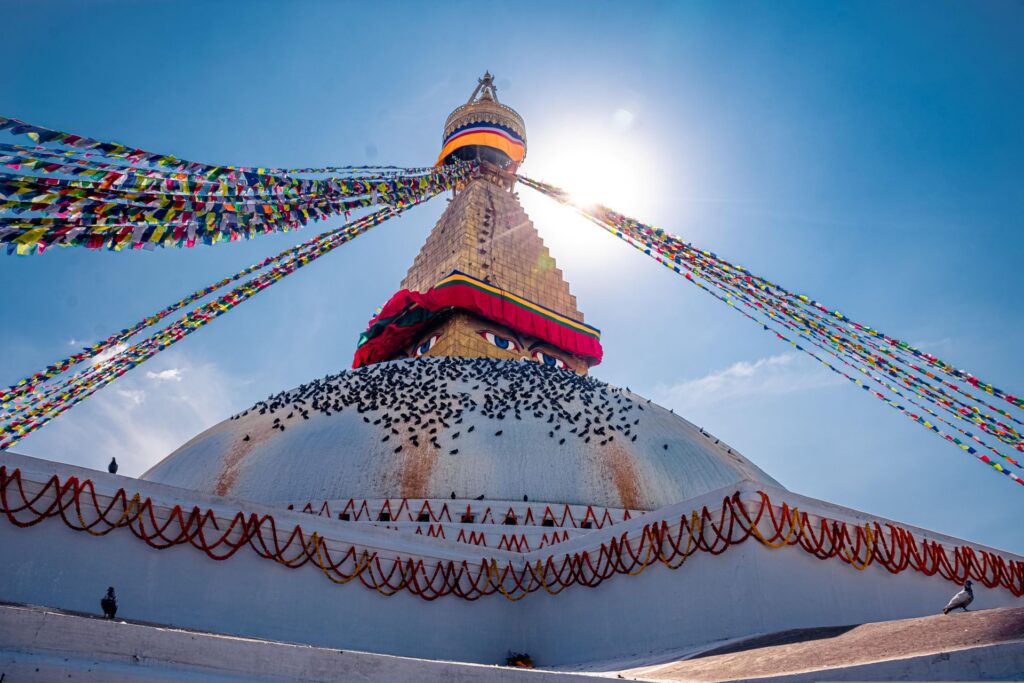
Boudhanath Stupa, one of the largest stupas in the world, rises above the city skyline with its iconic painted eyes watching over everything. Swayambhunath, popularly known as the Monkey Temple, perches on a hilltop and gives you a sweeping view of the entire valley.
What makes Kathmandu genuinely charming is how seamlessly the ancient and the modern coexist here. You can step out of a rooftop café with great espresso and find yourself standing in front of a five-hundred-year-old temple two minutes later.
The Thamel area buzzes with backpackers, gear shops, and restaurants, but walk just a few streets away and you are in quiet residential neighborhoods where locals go about their daily lives in centuries-old courtyards called chowks.
The best time to visit Kathmandu is during autumn (September to November) or spring (March to May) when the skies are clear, and the temperature is just right for exploring on foot.
Why Pokhara Keeps Travelers Coming Back Year After Year
If Kathmandu is the brain of Nepal, Pokhara is its heart. This lakeside city sits at the edge of Phewa Lake with the Annapurna and Machapuchare ranges forming one of the most stunning backdrops you will ever see in your life. The snow-capped peaks reflect in the water in the early morning, and it genuinely looks like a painting someone made up.
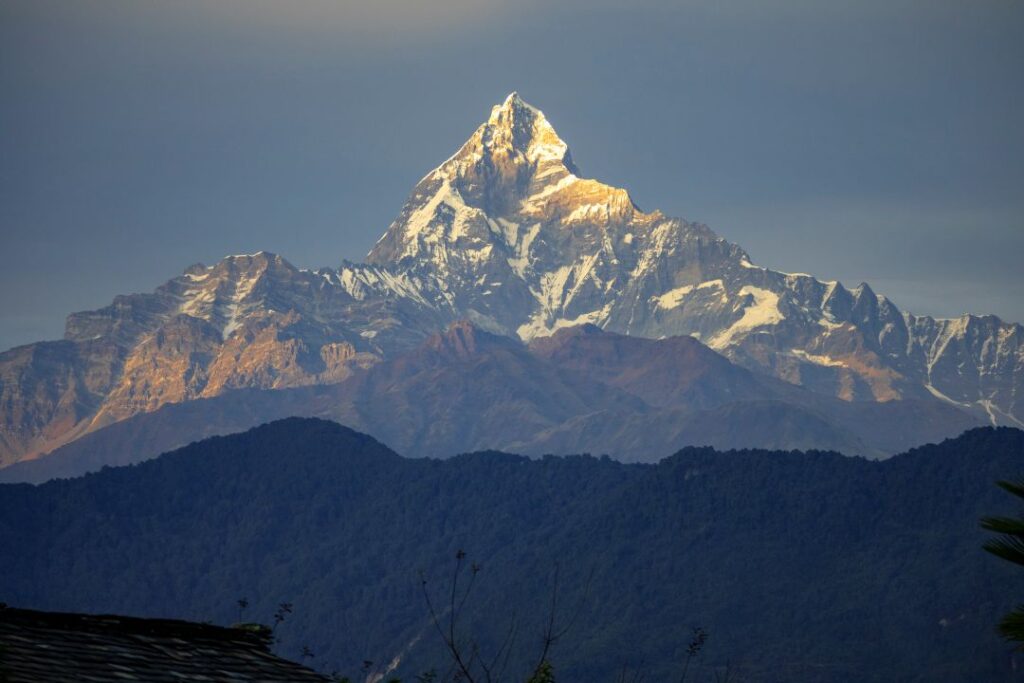
Pokhara is the gateway to some of Nepal’s most legendary treks. The Annapurna Base Camp trek and the Poon Hill trek both begin here, attracting trekkers from every corner of the world. But you do not have to be a serious trekker to love Pokhara.
You can rent a rowboat on Phewa Lake, hike up to the World Peace Pagoda for a panoramic view, go paragliding from Sarangkot (the views of the Himalayas from the air are absolutely surreal), or just sit at a lakeside café and do absolutely nothing.
Sarangkot itself deserves a special mention. The viewpoint just outside Pokhara is one of the finest sunrise spots in all of Nepal. Every morning, travelers climb up before dawn to watch the light slowly pour over Dhaulagiri, Annapurna, and Manaslu. It never gets old, even for locals.
How Chitwan National Park Gives You a Completely Different Side of Nepal
Most people come to Nepal for the mountains, which means they often miss what the south of the country has to offer. Chitwan National Park, a UNESCO World Heritage Site in the Terai lowlands, is one of Asia’s finest wildlife destinations and a genuinely thrilling contrast to everything else Nepal offers.
The park is home to Bengal tigers, one-horned rhinoceroses, elephants, gharial crocodiles, and over five hundred species of birds. Jeep safaris and elephant-back rides take you deep into the grasslands and dense forests where wildlife sightings are genuinely common, especially in the early morning hours. Canoe rides along the Rapti River are peaceful and incredibly scenic, with the chance to spot rhinos grazing on the opposite bank.
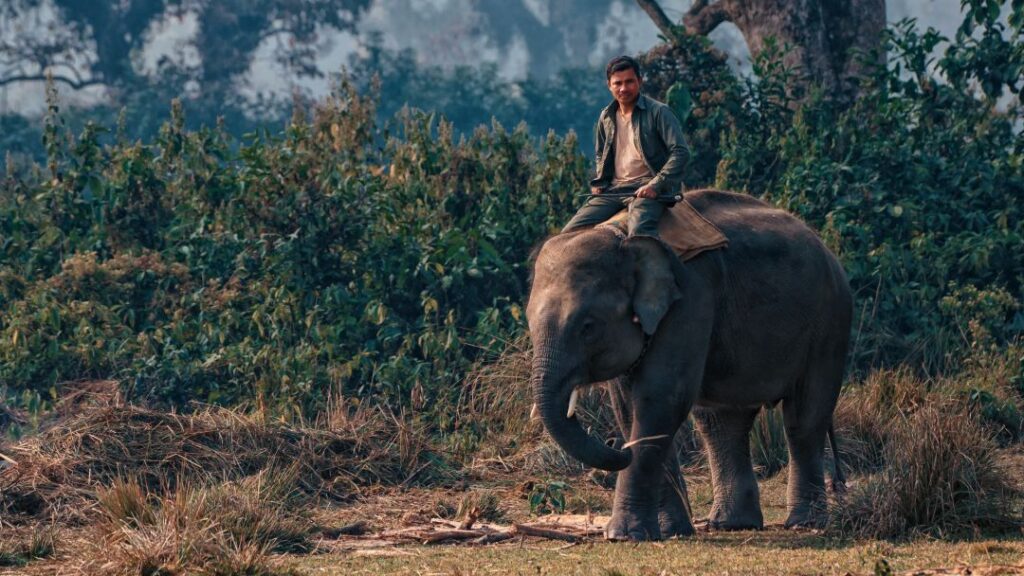
Staying in one of the jungle lodges inside or around the park boundary is an experience in itself. Falling asleep to jungle sounds and waking up before sunrise for a game drive is the kind of travel memory that sticks with you.
Why Lumbini Is One of the Most Spiritually Powerful Places You Can Visit
Roughly 270 kilometers southwest of Kathmandu, Lumbini is where Siddhartha Gautama was born in 623 BCE, the man who would become the Buddha. For that reason alone, it is one of the most sacred places on the planet for over 500 million Buddhists worldwide, and a UNESCO World Heritage Site that draws pilgrims and travelers from every country.
The Maya Devi Temple marks the exact birthplace and is the spiritual heart of the complex. Surrounding it is the Lumbini Garden, a peaceful, well-maintained zone with monasteries built by Buddhist communities from Japan, China, South Korea, Thailand, Sri Lanka, and dozens of other nations, each with its own architecture and meditative atmosphere.
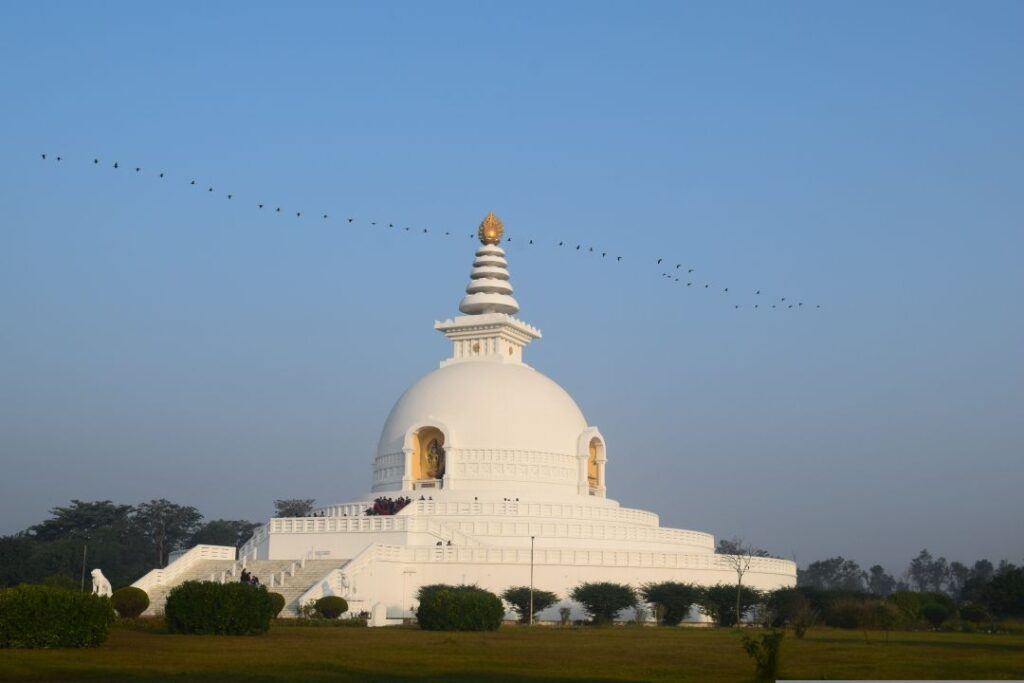
There is something quietly powerful about walking through Lumbini. It is not a loud or dramatic place. It is calm, deliberate, and contemplative. Even if you are not Buddhist, the weight of history and spiritual significance here is genuinely felt.
What to Expect When You Visit Bandipur, Nepal’s Most Charming Hill Town
Bandipur is the kind of place that travel writers tend to call a hidden gem, and for once, that description is completely accurate. This hilltop Newari town in the Tanahun district sits between Kathmandu and Pokhara, perched on a ridge with sweeping views of the Annapurna and Manaslu ranges.
What makes Bandipur genuinely special is that it is car-free. No traffic, no horns, no exhaust. Just cobblestone streets, traditional shuttered Newari homes, birdsong, and mountain views. The town has been remarkably well preserved since the 18th century, and walking through it feels like stepping into a different era entirely.
You can spend your days wandering the old bazaar, visiting the Bindabasini Temple, exploring the Siddha Cave nearby, or simply sitting on a rooftop guesthouse terrace watching the sunset turn the Himalayas gold. Bandipur is perfect for one or two slow nights and pairs beautifully as a stop between Kathmandu and Pokhara.
How Mustang Became One of the Most Intriguing Destinations in Nepal
Once a forbidden kingdom, Upper Mustang is still one of the most restricted regions in Nepal. To enter, you need a special restricted area permit, which currently costs around $500 for the first ten days. That price, steep as it is, actually works in your favor, because it keeps the crowds away and the landscape pristine.
Mustang sits in the rain-shadow region beyond the main Himalayan range, which means it receives very little rainfall, and the landscape is unlike anything else in Nepal. Think Tibetan plateau, wind-carved desert canyons, ancient cave monasteries painted with fading frescoes, and walled villages that look unchanged for centuries. The region feels more like Tibet than Nepal, and that sense of crossing into another world entirely is a huge part of its appeal.
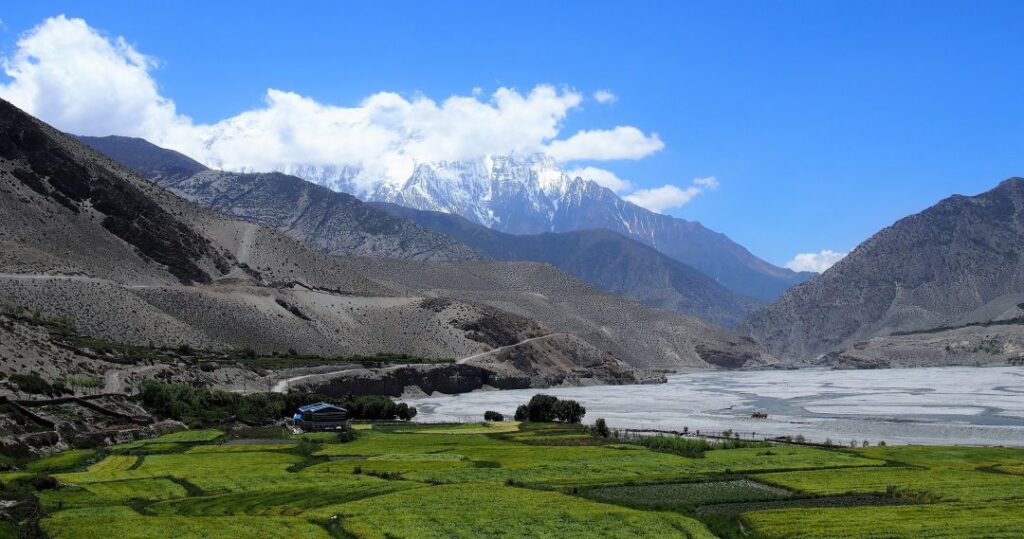
The ancient capital of Lo Manthang is the heart of Upper Mustang, a walled city with palaces, monasteries, and a living culture that has been preserved through centuries of isolation. Visiting during the Tiji Festival in May, a three-day Buddhist festival with mask dances and rituals, is particularly spectacular.
Why Rara Lake Should Be at the Top of Your Nepal Bucket List
Rara Lake is genuinely one of the most beautiful places in Nepal, and almost nobody talks about it. That is because getting there is not easy. Located in the remote Mugu district of Karnali Province in far northwest Nepal, Rara is reached by domestic flight to Jumla or Talcha, followed by a multi-day trek through the surrounding hills. It is an effort, and that is exactly why it remains so unspoiled.
The lake itself is Nepal’s largest, stretching 10.8 square kilometers, and sits at an altitude of around 2,990 meters. The water is a deep, clear blue that shifts in color and tone throughout the day, depending on the light and cloud cover. Rara National Park surrounds the lake with dense forests of pine and juniper, and the resident wildlife includes musk deer, red pandas, and Himalayan black bears.
There are almost no crowds here. On some days, you may have the entire lakeshore to yourself, listening to nothing but wind and birdsong. For travelers who genuinely crave solitude, natural beauty, and a sense of true wilderness, Rara Lake offers something that most of Nepal’s more famous destinations simply cannot.
What a Trip to Ilam Teaches You About the Other Side of Nepal
Most international visitors never make it to Ilam, tucked away in the eastern hills of Nepal near the Sikkim border. That is their loss, because Ilam is one of the most visually beautiful and culturally distinct parts of the country.
Ilam is Nepal’s tea country. Rolling green hills of tea plantations stretch across the landscape as far as you can see, broken up by small villages, rhododendron forests, and terraced fields. The air is cool and clear, the pace is unhurried, and the people are warm and quietly proud of their region.
You can walk through the tea gardens, visit tea processing factories to understand how Nepal’s celebrated orthodox teas are made, and pick up fresh tea directly from the source. The Kanyam viewpoint, the May Queen waterfall, and the Pathibhara Devi Temple are also worth a detour. Ilam is best visited between October and April, and it pairs well with a visit to Kanchenjunga, the third-highest mountain in the world, whose base camp trek begins in this region.
Why the Everest Base Camp Trek Belongs on Every Serious Traveler’s List
There is a reason the Everest Base Camp trek has been pulling people to Nepal for decades. It is not just the destination, though standing on the Khumbu Glacier at 5,364 meters with the world’s highest mountain looming above you is genuinely humbling. It is the entire journey there, every single day of it.
The trek typically takes around 14 days and begins with one of the most thrilling landings in aviation, touching down at Tenzing-Hillary Airport in Lukla, a short runway perched on a cliff with a sheer drop at one end. From there, the trail winds through Sherpa villages, rhododendron and pine forests, suspension bridges strung with prayer flags, and landscapes that grow more dramatic with every hour of walking.
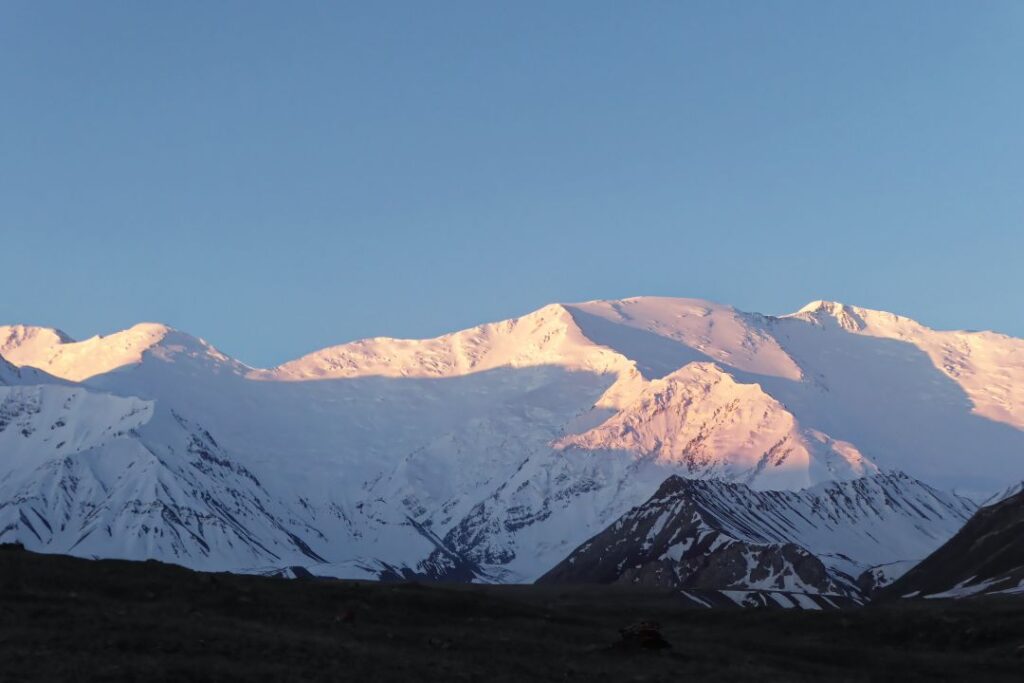
Namche Bazaar, the main Sherpa hub at around 3,440 meters, is where the trek starts to feel genuinely real. It is a lively, surprisingly well-equipped town built like a natural amphitheater into the hillside, and most trekkers spend two nights here for acclimatization. Further up, the Tengboche Monastery sitting at 3,867 meters with Ama Dablam rising behind it is one of the most photogenic and spiritually moving spots on the entire route.
The ultimate highlight comes near the end. Before or after reaching Base Camp, most trekkers make the steep early-morning push to Kala Patthar at 5,545 meters to watch the sunrise pour golden light over Everest, Lhotse, Nuptse, and Pumori.
That sunrise is genuinely one of the most spectacular sights on earth, and no photograph ever quite captures how it feels to be standing there watching it. Spring (March to May) and autumn (September to November) are the best seasons. Spring has the added bonus of watching expedition teams at Base Camp prepare for their summit attempts on Everest, which adds an electric, once-in-a-lifetime energy to the experience.
What Makes the Manaslu Circuit Trek the Best Alternative to the Crowd-Heavy Routes
If Everest Base Camp is Nepal’s most famous trek, the Manaslu Circuit is its most underrated masterpiece. And in 2026, as the Everest and Annapurna trails continue to get busier, more and more serious trekkers are turning to Manaslu for exactly the experience those routes used to offer before they became crowded. 2026 Most Charming Tourist Destinations The Manaslu Circuit takes you around Mount Manaslu, the eighth-highest mountain in the world at 8,163 meters.
The word ‘Manaslu’ itself comes from the Sanskrit word Manasa, meaning Mountain of the Spirit, and that description feels entirely right the moment you are walking through the valley below its massive north face. The region only opened to foreign trekkers in 1991, which is part of why it retains such a raw, preserved quality.
The trek is classified as a restricted area trek in Nepal, which means you need special permits and must travel with a licensed guide. Far from being an inconvenience, this restriction is what keeps the Manaslu trail genuinely quiet, even during peak season.
You will pass through villages like Samagaun and Samdo where Tibetan Buddhist culture is still lived, not performed. Monks in ancient gompas, mani walls carved with centuries of prayers, and locals who welcome you with butter tea rather than a tourism pitch. The physical and emotional crown of the entire circuit is crossing the Larkya La Pass at 5,106 meters.
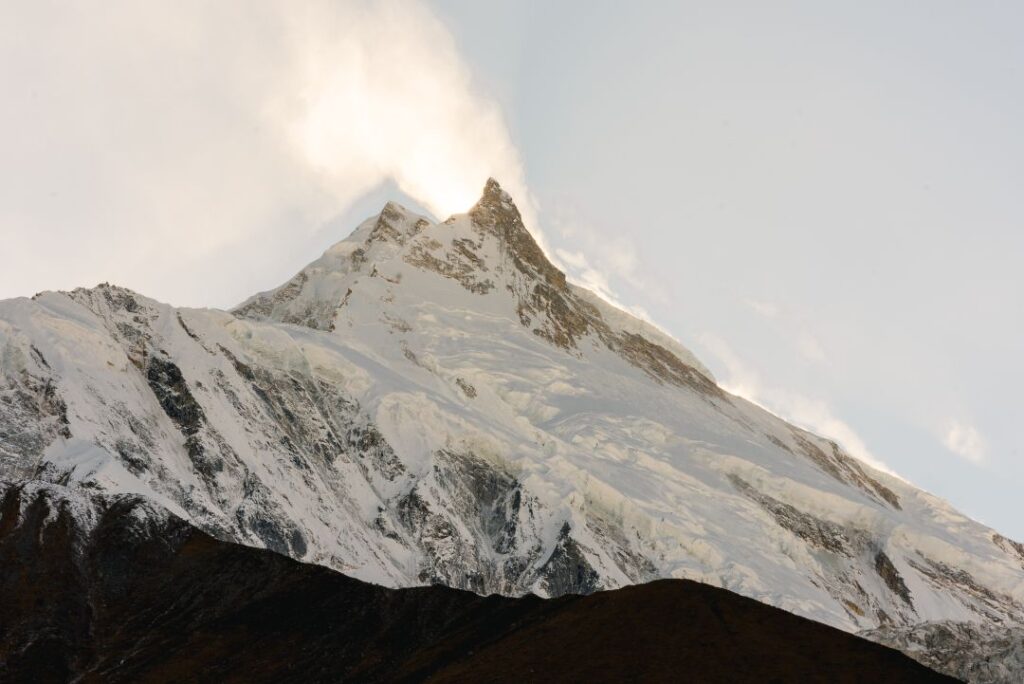
The ascent is demanding and requires an early start in the dark, but reaching the top with panoramic views of Himlung Himal, Cheo Himal, Kang Guru, and Annapurna II all around you, prayer flags snapping in the wind, is one of the most profound experiences trekking in Nepal can offer. For trekkers who want the full Himalayan experience, the culture, the altitude, the wilderness, and the personal achievement, without walking shoulder to shoulder with hundreds of other trekkers, the Manaslu Circuit in 2026 is the answer.
Suggested Read: What Is a Luxury Manaslu Circuit Trek?
The Best Time to Plan Your Nepal Trip in 2026/2027
Nepal has two main travel seasons, and both are excellent for different reasons. Autumn, running from September through November, offers the clearest skies, the most stable weather, and the best visibility of the mountain ranges. This is peak trekking season and the most popular time to visit, so booking in advance is important.
Spring, from March through May, is Nepal’s second great travel season. The rhododendron forests bloom across the hillsides in spectacular reds and pinks, temperatures are pleasant, and the mountain views are crisp before the pre-monsoon haze sets in.
The monsoon months of June through August are generally avoided for high-altitude trekking due to cloud cover and trail conditions, though lower-altitude destinations like Chitwan remain accessible. Winter (December to February) is cold in the mountains but pleasant in the Terai region and at lower altitudes, and Kathmandu can be beautifully quiet during this time.
Planning a Trip to Nepal in 2026?
If you need help choosing the right destinations, trekking routes, permits, or creating a personalized Nepal itinerary, feel free to contact our local travel team.
📩 WhatsApp us at: +977 9841120805 for travel advice, trekking information, or custom tour planning.
Read Related Blogs