
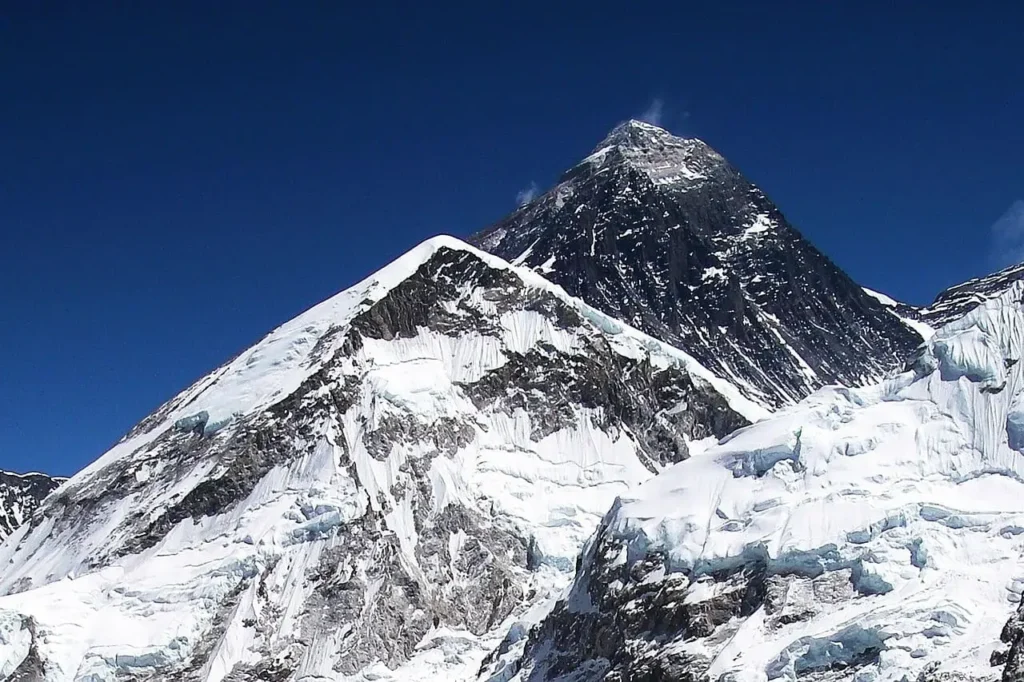
Mount Everest is the tallest mountain in the world and one of the most famous natural landmarks on the planet. Located in Nepal, Mount Everest attracts trekkers, climbers, researchers, and adventure lovers from all over the world. Known as Sagarmatha in Nepali and Chomolungma in Tibetan, Everest is not just a mountain; it is a symbol of human determination, natural beauty, and cultural pride.
Rising far above the surrounding Himalayan peaks, Mount Everest stands in the remote and rugged Khumbu region of Nepal. Even for people who never plan to climb it, seeing Everest up close during a trek is a life-changing experience.
Table of Contents
Highlights of Mount Everest
- The highest mountain on Earth
- Part of the mighty Himalayan range
- Home to the unique Sherpa culture and traditions
- Gateway to the famous Everest Base Camp trek
- Stunning views of snow-covered peaks, glaciers, and icefalls
- Rich history of legendary climbers and expeditions
Where is Everest Located?
Mount Everest is located on the border between Nepal and China (Tibet Autonomous Region). The southern side of Everest lies in Nepal, inside Sagarmatha National Park, which is a UNESCO World Heritage Site.
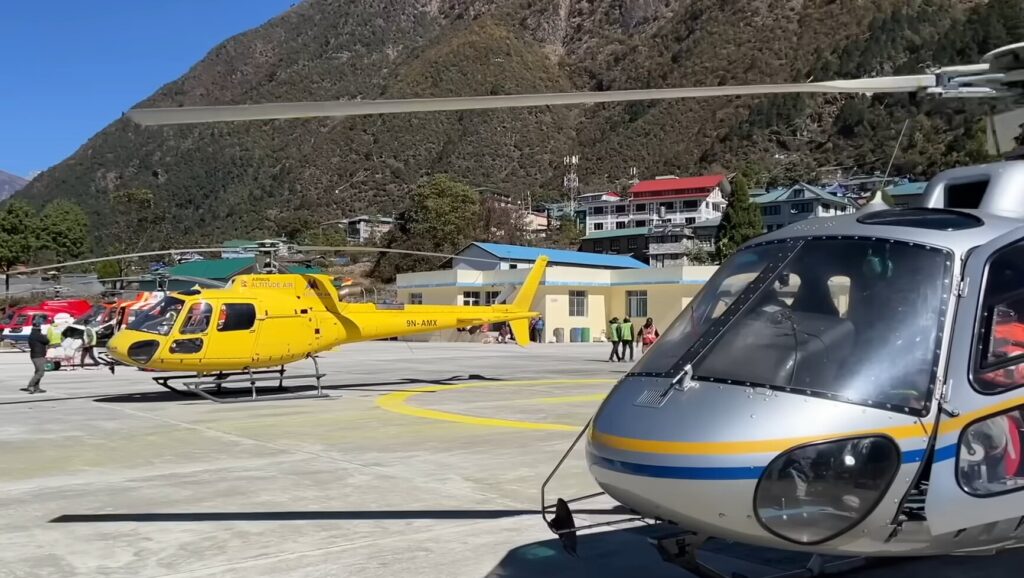
Most trekkers and climbers approach Everest from the Nepal side, starting their journey with a flight to Lukla and then trekking through the Khumbu Valley. This route is more popular because of better facilities, teahouses, and strong local support from Sherpa communities.
History of Everest Peak
Mount Everest was named after Sir George Everest, a British surveyor, in the 19th century. Before that, local people already knew the mountain by its traditional names Sagarmatha and Chomolungma.
Early expeditions began in the 1920s, mainly from the Tibetan side. However, it was not until 1953 that Everest was successfully climbed for the first time. Since then, Everest has become the ultimate goal for mountaineers worldwide, with thousands attempting to reach its summit every year.
Impact of Culture and Traditions on Everest
The Everest region is deeply influenced by Sherpa culture and Tibetan Buddhism. For local people, Everest is not just a mountain, it is sacred. Many believe it is the home of mountain gods and spirits.
Before climbing or trekking, Sherpas often perform puja ceremonies to ask for safety and blessings from the mountains. Colorful prayer flags, monasteries, mani stones, and chortens are seen throughout the region, especially in villages like Namche Bazaar and Tengboche.
These traditions remind visitors to respect nature, local beliefs, and the spiritual importance of Everest.
How Tall and High is Mount Everest?
Mount Everest stands at 8,848.86 meters (29,031.7 feet) above sea level. This height was officially confirmed by Nepal and China in 2020 after a joint survey.
Because of its extreme altitude, Everest is located in the “death zone” above 8,000 meters, where oxygen levels are very low and the human body cannot survive for long without supplemental oxygen.
Who is the First Person to Climb Mount Everest?
The first successful ascent of Mount Everest was made on May 29, 1953, by Sir Edmund Hillary and Tenzing Norgay.
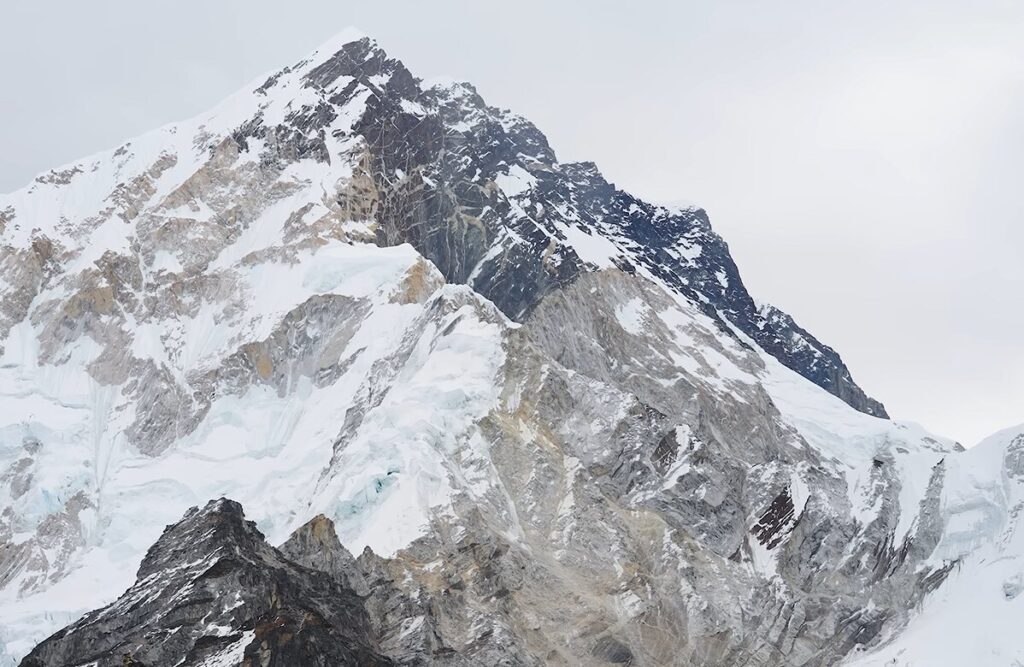
Their historic climb marked a major milestone in human exploration and brought global attention to Nepal and the Sherpa community. Tenzing Norgay, in particular, became a national hero and an inspiration for future generations of climbers.
Who is Sleeping Beauty on Mount Everest?
“Sleeping Beauty” refers to Francys Arsentiev, an American climber who tragically died on Everest in 1998 during a summit attempt.
Her body was visible for many years near the descent route, earning the nickname “Sleeping Beauty” due to her peaceful appearance. Her story is often shared as a reminder of how dangerous Everest can be, even for experienced climbers.
Who is Green Boots on Mount Everest in Nepal?
“Green Boots” is the nickname given to Tsewang Paljor, believed to be an Indian climber who died during a 1996 expedition.
He was named after the bright green boots he was wearing, and his body became a well-known landmark along the Northeast Ridge route. Green Boots is often mentioned in discussions about the risks, ethics, and harsh realities of high-altitude climbing.
Trekking Highlights of Mount Everest
You don’t need to climb Everest to experience its beauty. Trekking in the Everest region offers unforgettable adventures:
- Everest Base Camp Trek – Walk to the foot of the world’s highest mountain
- Kala Patthar Viewpoint – One of the best places to see Everest up close
- Namche Bazaar – The cultural and trading hub of the Khumbu region
- Tengboche Monastery – A spiritual center with stunning mountain views
- Glaciers and Icefalls – Including the famous Khumbu Glacier
- Warm Sherpa hospitality and traditional mountain villages
Trekking routes are well-developed, with teahouses, meals, and basic facilities available throughout the region.
Summary
Mount Everest in Nepal is more than just the highest peak in the world. It is a place of natural wonder, deep culture, powerful history, and human stories both inspiring and tragic. Whether you dream of trekking to Everest Base Camp, learning about Sherpa traditions, or simply understanding the mountain’s significance, Everest continues to capture the imagination of people everywhere.
Standing tall above the Himalayas, Mount Everest remains a true symbol of adventure, respect for nature, and the limits of human endurance.
Read Nepal Related Blogs