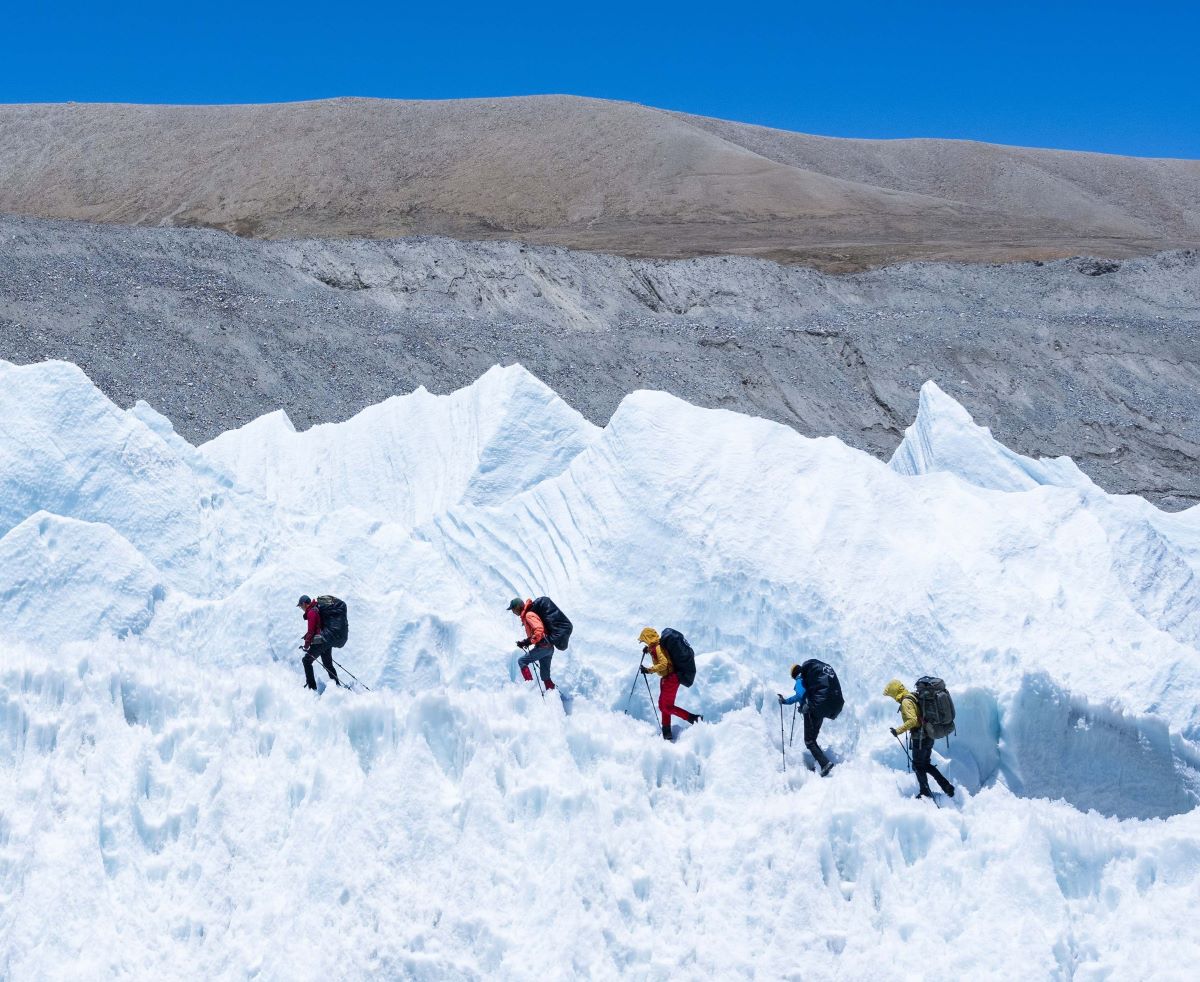
Planning to join the Manaslu Expedition this autumn (September to November)? If so, this detailed guide covers everything you need to know before your climb. Standing at 8,163 meters (26,781 feet), Manaslu is the world’s eighth-highest mountain and one of the most rewarding 8,000-meter expeditions in Nepal.
While it is often considered a logical progression after climbing peaks such as Ama Dablam or Cho Oyu, Manaslu is far more than a “training mountain.” It is a serious Himalayan expedition that demands physical fitness, previous high-altitude experience, technical mountaineering skills, and the ability to make sound decisions in an extreme environment.
Autumn has become one of the most attractive seasons for climbers seeking a quieter and more stable Himalayan experience. From September through November, the mountain gradually transforms after the summer monsoon.
Fresh snowfall blankets the upper slopes, the skies become increasingly clear, and the surrounding valleys reveal spectacular views of the Himalayas. For many climbers, this season offers the ideal balance of favorable weather, manageable climbing conditions, and fewer teams on the route than in spring.
At Know About Destinations, every expedition is led by experienced Sherpa climbers who have spent decades working on Nepal’s highest mountains. Our guides understand the changing conditions on Manaslu because they have climbed these routes repeatedly across different seasons. Their local knowledge, combined with carefully planned logistics, professional risk management, and personalized support, allows climbers to focus on reaching the summit safely and confidently.
Our Manaslu Expedition Autumn 2026 is designed for mountaineers looking for a professionally organized expedition with high safety standards, experienced leadership, quality equipment, and comprehensive logistical support. From your arrival in Kathmandu to your successful summit attempt and safe return home, every aspect of the expedition is planned with attention to detail.
Whether your goal is your first 8,000-meter summit or another important milestone in your mountaineering career, autumn offers an outstanding opportunity to climb one of Nepal’s most magnificent mountains.
Table of Contents
Why Climb Manaslu in Autumn?
Autumn is widely recognized as one of the finest seasons for climbing Manaslu. Following the end of Nepal’s summer monsoon, the mountain enters a period of improving weather stability, cleaner air, and outstanding visibility. The combination of cooler temperatures and reduced precipitation creates conditions that many experienced climbers find highly favorable for a successful expedition.
Unlike spring, autumn generally sees fewer commercial expeditions. This creates a quieter atmosphere both at Base Camp and on the climbing route. Climbers benefit from less congestion during rotations through the higher camps, allowing teams to move more efficiently while maintaining safer spacing on technical sections.
One of autumn’s greatest advantages is the remarkable clarity of the Himalayan landscape. The post-monsoon atmosphere removes much of the haze commonly found during other times of the year, revealing panoramic views that stretch across central Nepal. From Manaslu, climbers can enjoy unforgettable perspectives of Himlung Himal, Annapurna II, Ganesh Himal, Shringi Himal, and countless surrounding peaks.
Snow conditions during early autumn often create excellent climbing terrain. Fresh snow covers much of the route while experienced Sherpa teams establish and maintain fixed ropes across the mountain.
Although the weather always remains unpredictable in the Himalayas, stable high-pressure systems frequently develop during October, providing favorable summit windows.
Autumn also provides a more peaceful expedition experience. Base Camp is generally less crowded than during spring, allowing teams to receive more individualized support from expedition staff and enjoy a calmer environment during acclimatization periods.
For climbers seeking beautiful scenery, professional route preparation, reduced traffic, and a genuine Himalayan expedition, autumn remains one of the strongest choices for climbing Manaslu.
Why Climb Manaslu in September?
September marks the beginning of the autumn climbing season. During the first half of the month, occasional weather systems associated with the retreating monsoon may still affect the region. As the month progresses, however, conditions steadily improve, and the mountain begins transitioning into its prime climbing season.
One of September’s greatest advantages is the pristine condition of the mountain. Fresh snowfall covers the upper slopes, creating spectacular alpine scenery and providing excellent snow conditions for route establishment. Expedition teams usually begin arriving at Base Camp during this period to complete acclimatization rotations before the primary summit period in October.
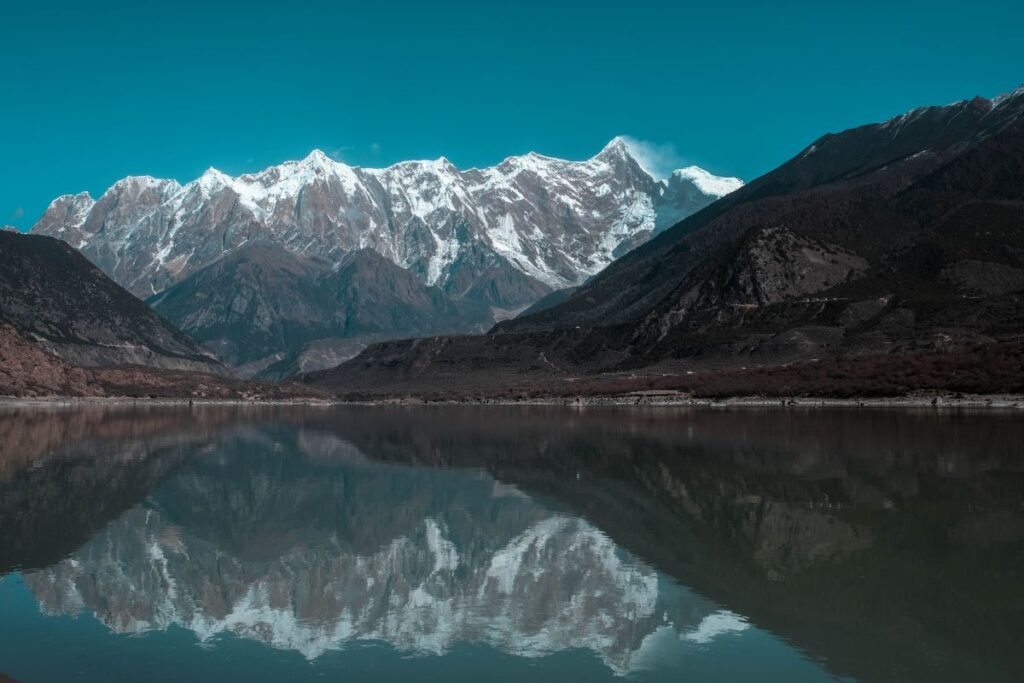
Because relatively few expeditions start in early September, climbers often experience a quieter Base Camp with more personal space and a relaxed atmosphere. This allows participants to settle into expedition life, organize equipment, and begin acclimatization without significant congestion.
Temperatures remain comparatively moderate during September compared to late autumn, making trekking to Base Camp more comfortable while reducing the severity of extreme cold during the initial climbing rotations.
For climbers who enjoy witnessing the mountain gradually transition into full climbing condition, September offers a rewarding beginning to the Himalayan autumn season.
Why Climb Manaslu in October?
October is widely considered the premier month for climbing Manaslu.
During October, weather patterns are generally at their most stable following the complete withdrawal of the summer monsoon. High-pressure systems frequently dominate the Himalayas, bringing long periods of clear skies, reduced precipitation, and improved summit opportunities.
Visibility reaches its annual peak during October. Climbers enjoy breathtaking views across Nepal’s central Himalayas, while photographers often consider this the best month for capturing dramatic mountain landscapes.
The climbing route is typically well established by experienced rope-fixing teams. Camps are fully operational, logistics run efficiently, and expedition teams have usually completed multiple acclimatization rotations. These factors contribute to a smoother and more organized summit push.
Although nighttime temperatures become colder than in September, the improved weather stability generally outweighs the additional cold. Many successful Manaslu summits occur during carefully selected October weather windows.
For experienced mountaineers seeking the highest probability of stable climbing conditions, October consistently stands out as the strongest choice.
Why Climb Manaslu in November?
November represents the final stage of Nepal’s autumn climbing season. While temperatures continue to fall, the mountain often enjoys exceptionally clear weather and remarkable visibility.
The greatest advantage of November is the peaceful atmosphere. Most commercial expeditions have already completed their climbs, leaving fewer teams on the route and creating a more secluded Himalayan experience.
Cold conditions become increasingly significant during November. Climbers should expect lower temperatures throughout the expedition, particularly during summit attempts, where strong winds can produce severe wind chill at extreme altitude. Appropriate cold-weather equipment and previous high-altitude experience become even more important.
The dry post-monsoon air frequently delivers crystal-clear mountain views that many photographers consider the finest of the year. Sunrise and sunset over the surrounding Himalayan ranges create unforgettable scenes from the higher camps.
November is particularly suitable for experienced climbers who are well prepared for colder conditions and prefer quieter expeditions over busier climbing seasons.
Weather and Temperature on Manaslu in Autumn
The weather on Manaslu operates on two rhythms: the monsoon cycle that governs all of Nepal’s high Himalaya, and the mountain’s own microclimate, shaped by its position deep in the Gorkha District of north-central Nepal at 8,163 meters above sea level.
During the pre-monsoon spring window (March to May), temperatures at base camp hover between -5°C and 10°C during the day and drop sharply at night. Higher up the mountain, above Camp II at 6,400 meters, you’re routinely looking at -20°C to -30°C with wind chill.
Spring offers solid visibility and stable pressure systems through most of April, but climbers often contend with afternoon cloud build-up and the occasional jet stream intrusion that can pin teams at high camp for days.
The post-monsoon autumn window, running from mid-September through early November, is the season the mountain seems built for. The monsoon scrubs the atmosphere clean, leaving skies that are startlingly clear. Daytime temperatures at base camp (4,800 meters) range from around 5°C to 15°C, and the stabilizing snowpack begins to firm as the season advances toward winter, which reduces avalanche risk considerably compared to the spring melt period. Above 7,000 meters, expect temperatures to fall between -25°C and -40°C at night, demanding the highest tier of down insulation. Winds at altitude are generally calmer in autumn than in spring, which is why expert climbers in Nepal often rate the autumn season higher in terms of summit success probability, a notable contrast to Everest, where spring dominates.
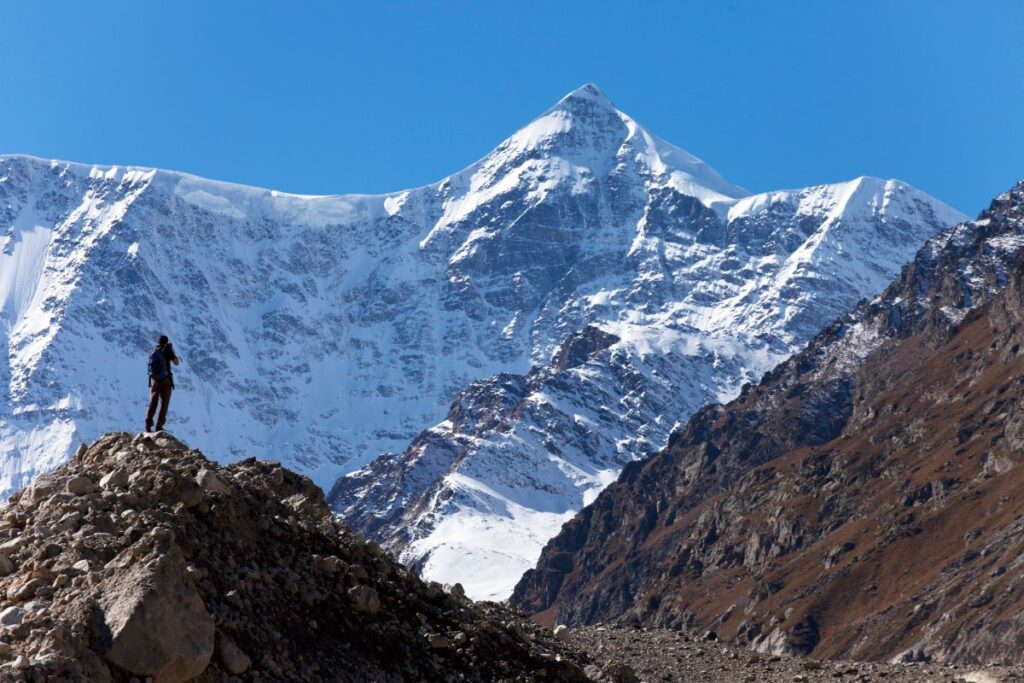
The monsoon period (June through August) renders the mountain extremely dangerous. Sustained rainfall at lower elevations translates to heavy snowfall and accelerated avalanche cycles above 5,000 meters. Winter (December through February) brings technical cold beyond what most climbing teams can safely sustain for the extended periods required. Neither season represents a viable option for a supported expedition.
Is Autumn the Best Season for the Manaslu Expedition?
For Manaslu, the evidence strongly supports autumn as the optimal climbing window, and the Nepal government’s own permit pricing reflects this reality. Effective from September 2025, the government repositioned autumn as the official high season, with expedition royalties set at USD 3,000 per person compared to USD 1,500 in spring. Pricing follows demand, and demand follows results.
What makes autumn specifically compelling comes down to the confluence of several factors. The post-monsoon period brings lower wind speeds, reduced snowfall, and clearer skies than spring. The advancing cold consolidates the snow and ice on the mountain’s upper flanks, creating more stable climbing conditions and reducing avalanche hazard.
In spring, the warming temperatures that make lower-altitude trekking pleasant can destabilize seracs and increase the frequency of icefall above base camp.
Autumn also delivers a more spacious experience on the mountain. Fewer climbers attempt Manaslu in autumn compared to the commercial pressure of a Nepal spring season, which means better coordination, more flexibility in pacing, and less queuing on the fixed lines.
That said, it would be misleading to describe autumn on Manaslu as deserted. The mountain has grown considerably in popularity, and serious route congestion can develop near the summit headwall during the narrow weather windows in October. Choosing a team with experienced Sherpa leadership and good logistics planning matters as much as choosing the right season.
Spring remains a legitimate alternative, particularly for climbers who want a warmer base camp experience or who need to connect the climb with other spring objectives. But for a first 8,000-meter attempt where summit conditions and success rate carry the most weight, autumn on Manaslu remains the most defensible choice.
Manaslu Expedition Route Overview
The standard Manaslu climbing route follows the Northeast Face, the same line established in the mountain’s early expedition history and the approach used by the vast majority of commercial teams today.
Six climbing routes have been identified on Manaslu, with the northeast face being the most established and most commonly used. The southern routes are significantly more technical and are attempted only by elite alpine-style teams.
The journey begins in Kathmandu, from where teams drive or fly to the trailhead at Soti Khola in Gorkha District. The trek to base camp follows the Buri Gandaki valley through a landscape that transitions from subtropical riverine forest to high-altitude stone villages deeply influenced by Tibetan Buddhist culture. The villages of Jagat, Philim, Namrung, and Samagaon are waypoints on this approach, each offering a glimpse into communities that have lived alongside this mountain for generations.
Manaslu Base Camp sits at approximately 4,800 meters, and from there the climbing route ascends 12.2 kilometers to the summit. After acclimatization rotations, teams move through four established high camps. From base camp, the route crosses the Manaslu Glacier where bamboo wands and fixed ropes guide climbers through crevasse fields to Camp I at approximately 5,700 to 5,800 meters. Camp II at 6,400 meters sits on a relatively flat and safer section of the climb, though significant snow accumulation is common there. Camp III at around 6,800 meters is positioned just below the col, placed deliberately to reduce exposure to the powerful winds that sweep the upper ridge. The final push goes through the Manaslu Headwall to Camp IV near 7,400 meters, from which summit bids typically depart in the pre-dawn hours to maximize summit window time before afternoon weather deteriorates.
The summit itself at 8,163 meters involves navigating a knife-edge ridge that requires focus and technical care even when conditions are favorable. The descent demands as much concentration as the ascent.
Manaslu Expedition Itinerary
A complete Manaslu expedition runs 35 to 45 days. The following represents a standard structure, though the climbing schedule adapts to weather windows, rope-fixing progress, and individual acclimatization rates.
Days 1 to 2: Kathmandu Arrival and Preparation. Teams arrive at Tribhuvan International Airport, transfer to hotel accommodation in Thamel, and attend a mandatory pre-expedition briefing at the Ministry of Tourism. Gear is checked, permits are finalized, and any outstanding logistics are resolved.
Days 3 to 4: Drive to Soti Khola (730m). A full day’s drive through the Prithvi Highway brings teams to the Buri Gandaki valley. The landscape change is dramatic, from the Kathmandu Valley to river gorge country in a single day.
Days 5 to 12: Trek to Manaslu Base Camp (4,800m). The approach trek follows the Buri Gandaki River upstream through Machhakhola, Jagat, Deng, Namrung, Lho, and Samagaon. Samagaon at 3,530 meters serves as an important acclimatization stop, with most teams spending two nights here and making day hikes to Manaslu Base Camp or Birendra Lake to aid altitude adaptation before continuing.
Days 13 to 35: Expedition Climbing Phase. After reaching base camp, the team settles in and begins the acclimatization rotation cycle. A standard rotation involves multiple carries to Camp I, then to Camp II, then a recovery period at base camp before pushing higher. Most teams complete two to three complete acclimatization rotations before the summit attempt. The specific timing of the summit push depends entirely on weather forecasting. Teams typically have a three to seven day window in late September or October that offers the best conditions.
Days 36 to 40: Descent and Return. After summiting and safely descending, the team breaks base camp, treks back through the Buri Gandaki valley to the roadhead, and returns to Kathmandu for a final night before international flights home.
Manaslu Expedition Cost for Autumn 2026
The total investment in a Manaslu expedition varies based on team size, service level, and operator, but climbers should plan for a realistic range of USD 15,000 to USD 22,000 for a full-service guided expedition. Packages at the higher end of the range reflect all-inclusive arrangements covering permits, accommodation, meals, guides, porters, and expedition support throughout.
Within that total, the cost structure breaks down roughly as follows. Government royalty and permit fees account for approximately USD 3,500 to USD 4,000 of the total. Sherpa wages, high-altitude support, and the summit bonus, which is an industry standard of USD 1,200 to USD 1,500 per climber, form a significant portion. Supplemental oxygen represents another major cost, with each bottle priced above USD 500, and most climbers above Camp III or IV using four or more bottles over the course of the expedition. Base camp logistics including kitchen staff, food for 40-plus days, tents, rope-fixing costs, and communications equipment make up the remainder.
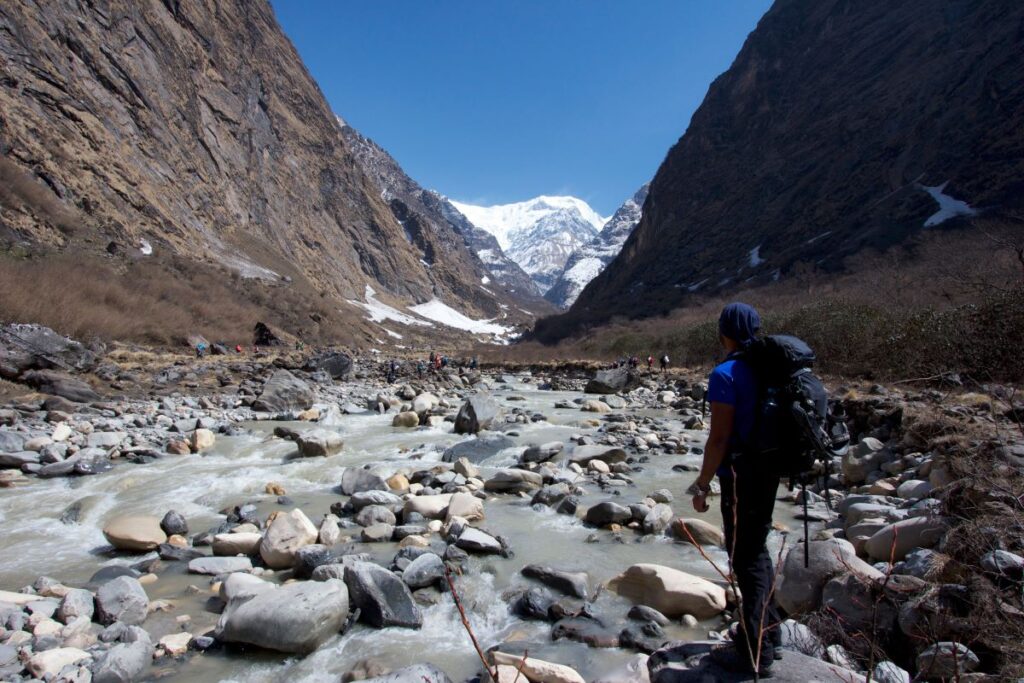
Two costs that many online price comparisons omit are personal high-altitude rescue insurance (a robust policy covering helicopter evacuation to 8,000 meters typically runs USD 600 to USD 1,000) and the Kathmandu nights and internal transportation that bookend the expedition. Budget for these separately to avoid surprises.
Manaslu Expedition Permit Fees for Autumn 2026
Effective from September 2025, the Nepal government restructured Manaslu’s climbing royalty fees to reflect the mountain’s primary season. The climbing permit now costs USD 3,000 per person in autumn and USD 1,500 per person in spring. This represents a meaningful increase from previous rates and reflects both the mountain’s growing popularity and the government’s investment in route maintenance and environmental protection.
Beyond the expedition royalty, climbers also require a Restricted Area Permit (RAP) to traverse the route between Jagat and Dharapani, a Manaslu Conservation Area Permit (MCAP) at approximately USD 30 per person, and an Annapurna Conservation Area Permit (ACAP) for sections of the route that pass through Annapurna territory. The Restricted Area Permit is issued exclusively by the Department of Immigration in Kathmandu, requires a minimum of two climbers in a group, and is valid for a single entry only. Individual applications are not accepted. All permits must be processed through a registered Nepalese trekking agency, and the full permit package for a standard autumn expedition runs approximately USD 3,200 to USD 3,500 per person once all fees are combined.
What is the Experience Required for the Manaslu Expedition
Manaslu is not the place to discover whether you enjoy high-altitude climbing. The expedition demands an exceptional level of all-round fitness combined with the capacity to sustain mental and physical performance at extreme altitude, with resistance to severe weather conditions over extended periods and the ability to carry heavy loads across multiple days.
At minimum, climbers should arrive having successfully summited at least one peak in the 6,000-meter range such as Island Peak, Mera Peak, or Lobuche East, and ideally a 7,000-meter peak as well. Technical skills in glacier travel, crevasse rescue, fixed-line ascending and descending, self-arrest, and ice axe use should be practiced and automatic rather than theoretical. Prerequisite technical requirements include multi-pitch climbing, rock climbing to a 5.9 to 5.10 grade, and ice climbing at WI-3 to WI-4 level.
Physical conditioning needs to match the demands of seven-hour summit days at altitude with a pack. A general benchmark is that climbers should be capable of running a half marathon to full marathon, or sustaining four to five hours of hard cycling, though altitude will humble anyone regardless of sea-level fitness. High-altitude trekking experience and previous acclimatization history are invaluable. Altitude response is partly individual biology, and knowing how your body behaves above 5,000 meters before committing to an 8,000-meter objective is not optional.
Manaslu is often described as the most approachable 8,000-meter peak, and in terms of technical difficulty that assessment is fair. It is regularly regarded as one of the best preparatory climbs for Everest, offering invaluable high-altitude experience on a well-established route. But approachable is a relative term at 8,163 meters. The avalanche terrain below Camp I, the crevasse fields on the glacier, and the exposed summit ridge in autumn winds all carry objective risk that experience and judgment can manage but never eliminate.
Equipment Checklist for the Manaslu Expedition
Gear selection for Manaslu must account for temperature ranges spanning from a warm 15°C at base camp to potentially -40°C with wind chill near the summit. The following covers the core categories.
High-Altitude Clothing: A seven-to-eight-thousand-meter-rated down suit is non-negotiable for the summit push. Three layering systems covering moisture-wicking base layers, insulating mid-layers, and hardshell outer layers handle the approach and lower camps. Expedition-weight down pants, a high-loft down jacket, and waterproof softshell trousers round out the clothing system.
Footwear and Traction: Double-rated plastic mountaineering boots or expedition-specific leather boots suitable for temperatures to -40°C are required, along with twelve-point technical crampons, multiple pairs of expedition-weight wool or synthetic socks, gaiters, and insulated overboots for warmth at high altitude.
Climbing Hardware: A 70cm T-rated ice axe, harness, ascenders, rappel device, locking carabiners, slings, and a chest harness for fixed-line ascent. A helmet is essential from base camp upward.
Shelter and Sleep: Most operators provide expedition tents at each camp and communal dining and kitchen tents at base camp. Climbers supply their own sleeping bag rated to at least -30°C and a sleeping pad with an R-value appropriate for snow platforms.
Oxygen and Medical: Most climbers begin using supplemental oxygen above Camp III or IV. Your operator provides the systems, but confirm bottle quantity, mask type, and flow rates before departure. A personal medical kit should include altitude medications such as acetazolamide and dexamethasone for emergency use, blister care, analgesics, and any prescription medications relevant to your health history.
Navigation and Communication: A GPS device, topographic maps, a head torch with spare batteries, and a personal satellite communication device for independent emergency contact capability.
Fixed Departures for Autumn 2026
We offer fixed group departures for the autumn season, with team assembly in Kathmandu in early September ahead of a base camp arrival targeting mid-to-late September. Summit windows typically fall between the last week of September and the third week of October. Spring expeditions depart Kathmandu in late March, with summit windows in late April and early May.
Group size is capped at 12 climbers to maintain the quality of Sherpa support, logistics management, and the character of the experience on the mountain. Private departures are available year-round for groups of two or more with the relevant experience and background.
All departure dates are confirmed six to nine months in advance. Places on fixed departures are allocated on a first-come, first-served basis with a deposit, and demand for autumn slots in particular fills early.
How to Book Your Manaslu Expedition for Autumn 2026?
Booking begins with a conversation, not a payment. We ask prospective climbers to share their high-altitude record, including the peaks they have climbed, the conditions they have encountered, and any relevant medical history, so we can have an honest discussion about readiness and the right program structure. This is not a gatekeeping exercise. It is how we make sure every climber on the team belongs on the mountain.
Once we have established a good fit, we send a formal expedition proposal outlining itinerary, inclusions, payment schedule, and permit timeline. A deposit of 25% secures your place on the team, with the balance due 60 days before the Kathmandu assembly date. All government permits and royalties are handled on your behalf. You will need to provide passport details, four passport-sized photographs, and visa documentation at least 45 days before departure to allow processing time.
Why Choose Us?
There is no shortage of operators who can put a tent at Manaslu Base Camp. The difference lies in what happens between camps and what happens when things do not go to plan.
Our team is built around Sherpa leaders with multiple Manaslu summits who have guided international climbers through the full range of conditions this mountain produces. They designed the itinerary. They fix the ropes. They are the first to the summit headwall and the last to leave the mountain. You benefit directly from that knowledge, not from a foreign operator’s interpretation of a mountain they have never climbed.
We run fully inclusive operations covering logistics, safety, base camp infrastructure, meals, high-altitude support, and emergency coordination. We carry backup oxygen beyond the standard allocation. We maintain satellite communication capability throughout the expedition and have established protocols with helicopter evacuation providers who operate in this region. We are transparent about costs, about risk, and about what success on this mountain realistically looks like.
We are a small team by design. When you have a question at Camp II at three in the morning, someone who actually knows the mountain picks up. That quality of support does not scale to large commercial operations, and we do not try to make it.
Read Related Expeditions
Leave a Reply