
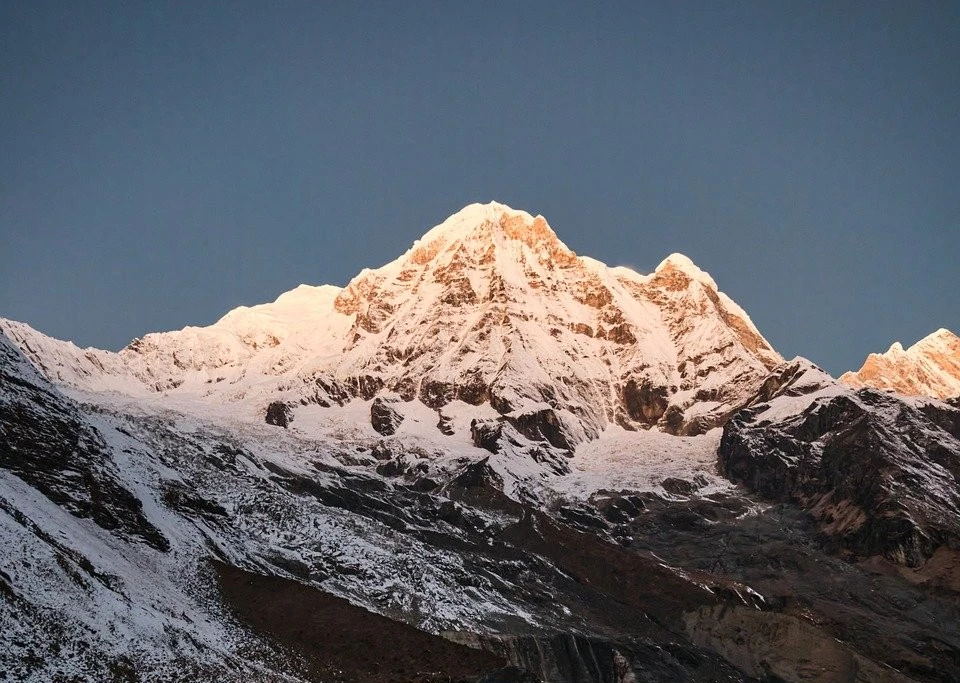
The Annapurna Peak is one of the most iconic and challenging mountains in the world. Nestled in the heart of the Himalayas, this majestic peak attracts mountaineers, trekkers, and adventure enthusiasts from around the globe. Known for its breathtaking landscapes, unique culture, and treacherous terrain, the Annapurna Peak trek remains a bucket-list adventure for many. In this article, we’ll explore everything you need to know about Annapurna Peak, including its height, location, history, cultural significance, trekking routes, and much more.
Table of Contents
Little Annapurna Peak: A Lesser-Known Jewel
While most people focus on the main summit, the Little Annapurna Peak is another stunning feature of the Annapurna massif. This smaller peak offers spectacular Annapurna Peak views and is a great choice for trekkers who want to experience the beauty of the region without attempting the extremely challenging main summit. The Annapurna Peak altitude of Little Annapurna is slightly lower but still provides panoramic vistas of the surrounding Himalayan ranges.
Annapurna Peak Height and Altitude
The highest Annapurna Peak rises to an impressive 8,091 meters (26,545 feet) above sea level, making it the 10th highest mountain in the world. The Annapurna summit altitude is a critical factor for climbers, as the thin air and extreme conditions make ascents very challenging. Understanding the Annapurna mountain altitude is essential for planning any trekking or mountaineering expedition in this region.
Where is Annapurna Peak Located?
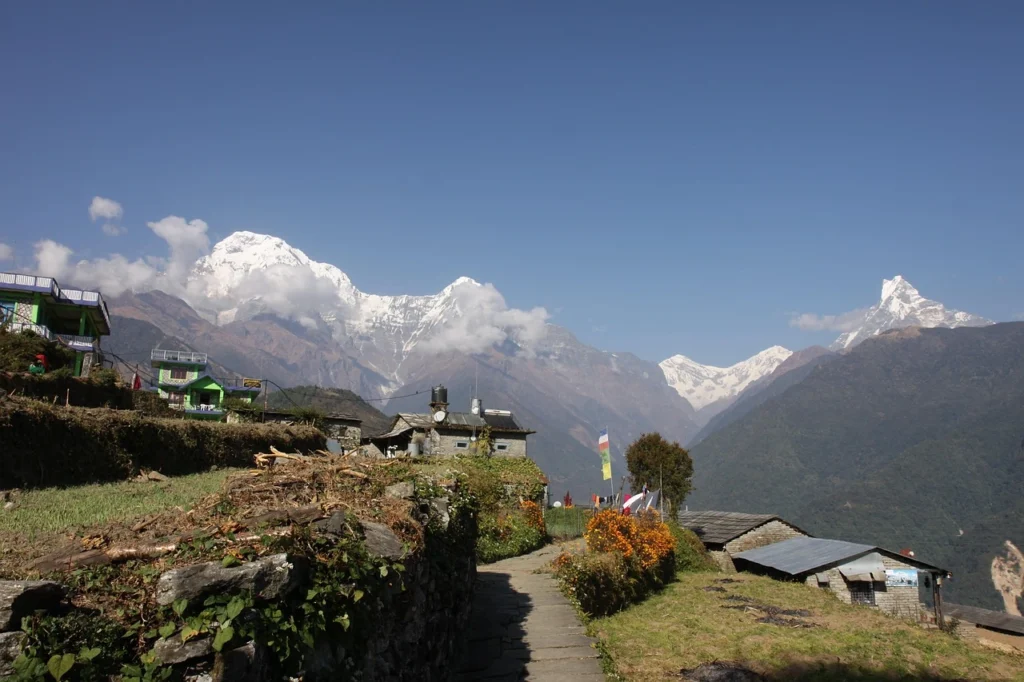
For those wondering, Annapurna Peak is located in which part of the Himalayas, it sits in the north-central region of Nepal. Specifically, it is part of the Annapurna Massif, in the Gandaki Province of the Himalayas. Its strategic location provides trekkers with some of the most stunning views in Nepal, including glimpses of neighboring peaks like Machapuchare, Dhaulagiri, and Hiunchuli. The Annapurna Peak location is a paradise for photographers, nature lovers, and mountaineers.
Annapurna Ascent: A Trekker’s Guide
The Annapurna Peak trek is a demanding journey, requiring a combination of stamina, technical skills, and acclimatization. The route is often called the Annapurna ascent, and climbers face snowfields, glaciers, and unpredictable weather. Along the trek, adventurers can enjoy pristine landscapes, rich biodiversity, and traditional villages that offer a glimpse into Nepalese culture.
Annapurna Trek Highlights
- Stunning views of Annapurna Peak and neighboring peaks
- Diverse ecosystems, from subtropical forests to alpine meadows
- Rich cultural experiences with Gurung and Magar communities
- Challenging terrain that tests both skill and endurance
History of Annapurna Peak
The history of Annapurna Peak is fascinating. It was first successfully climbed by a French expedition led by Maurice Herzog in 1950. The ascent marked a historic moment, as Annapurna Peak was the first 8,000-meter mountain to be summited by humans. Since then, numerous climbers have attempted the peak, making it a central part of mountaineering history. For those interested in documentaries, the Annapurna mountain documentary “Annapurna” chronicles Herzog’s legendary expedition and is a must-watch for adventure enthusiasts.
Annapurna Peak Difficulty and Risks
The Annapurna difficulty is not to be underestimated. It is considered one of the most dangerous 8,000-meter peaks due to its steep slopes, avalanche-prone areas, and unpredictable weather conditions. The Annapurna mountain avalanche risk is one of the highest in the Himalayas, making careful planning essential. Despite these challenges, mountaineers are drawn to the Annapurna summit, seeking the thrill and accomplishment of standing atop one of the world’s highest peaks.
Success Rate and Safety
- Annapurna success rate: Approximately 30–40% of climbers attempting the summit successfully reach the top.
- Annapurna summit death rate: Historically, around 32% of climbers who attempt Annapurna face fatal risks, making it one of the deadliest mountains in the world.
Cultural Significance of Annapurna Peak
The impact of culture and traditions on Annapurna Peak cannot be ignored. Local communities, including the Gurung and Magar people, consider the mountain sacred. Annapurna is named after the Hindu goddess of food and nourishment, symbolizing abundance and protection. Trekkers on the Annapurna Peak trek are often welcomed by villages that maintain traditional architecture, rituals, and festivals, offering a deep insight into Nepalese life.
Annapurna Summit and Technical Details
The Annapurna summit altitude of 8,091 meters presents extreme challenges for climbers. The Annapurna mountain another name, “Kang I,” is sometimes used in mountaineering circles. The Annapurna summit amount refers to the cumulative elevation gained during a climb, which can exceed 4,000 meters from the base camp depending on the route.
Trekking Essentials
- Proper acclimatization to avoid altitude sickness
- Technical climbing gear, ropes, and ice axes
- Guides familiar with the Annapurna ascent route and avalanche-prone zones
- Emergency evacuation plans and communication devices
Annapurna Peak View: A Visual Feast
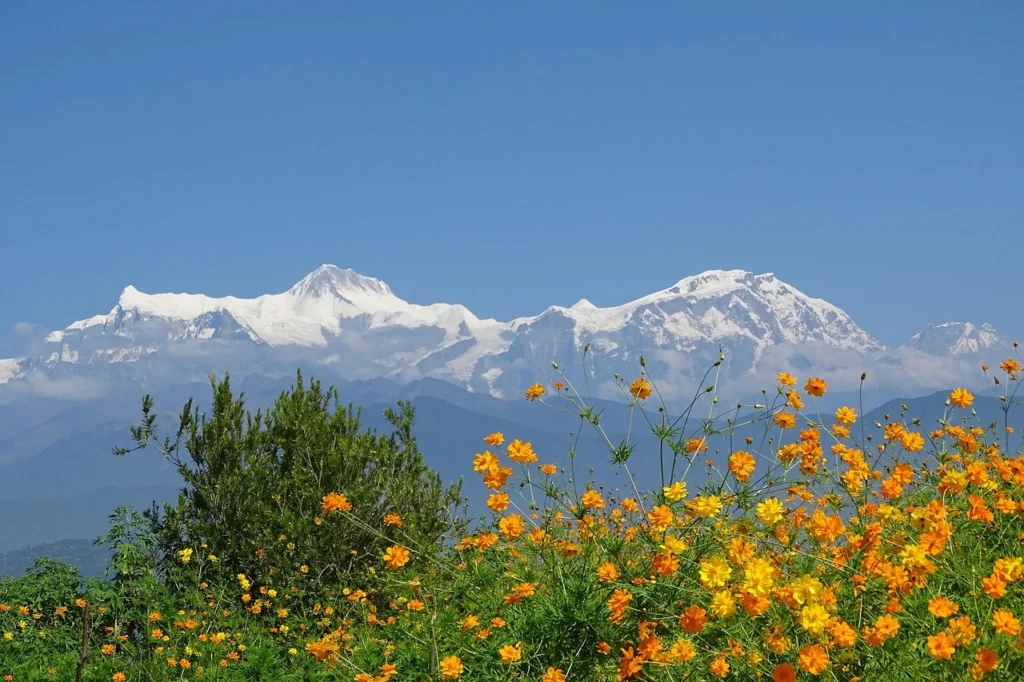
One of the most compelling reasons to attempt the Annapurna Peak trek is the unmatched Annapurna Peak view. From the summit, climbers can see sweeping vistas of the Himalayan range, including the Dhaulagiri massif and Machapuchare (Fishtail) peak. Sunrises and sunsets cast golden hues over the snow-capped mountains, creating moments that are unforgettable for photographers and adventure seekers alike.
Annapurna Mountain Documentary and Learning from the Past
For those who want to understand the challenges of climbing Annapurna Peak, the Annapurna mountain documentary is invaluable. It showcases not only the technical aspects of the climb but also the stories of triumph and tragedy. These documentaries highlight the mountain’s notorious Annapurna summit death rate while inspiring new generations of climbers to respect the mountain and prepare meticulously.
Summary
The Annapurna Peak is more than just a mountain; it is a symbol of human endurance, cultural heritage, and natural beauty. From the Little Annapurna Peak to the highest Annapurna Peak, the massif offers experiences for climbers, trekkers, and nature lovers alike. With careful planning, respect for local culture, and awareness of the mountain’s difficulty, adventurers can safely explore the awe-inspiring landscapes and rich traditions surrounding this Himalayan giant.
Whether you’re captivated by the Annapurna Peak height, fascinated by the Annapurna ascent, or simply want to enjoy the stunning Annapurna Peak view, this majestic mountain promises a journey that is both challenging and profoundly rewarding.
Read Related Blogs